
Hill of the
Cross
Walk the Stations of the Cross beneath the oaks at St. Joseph Honey Creek.
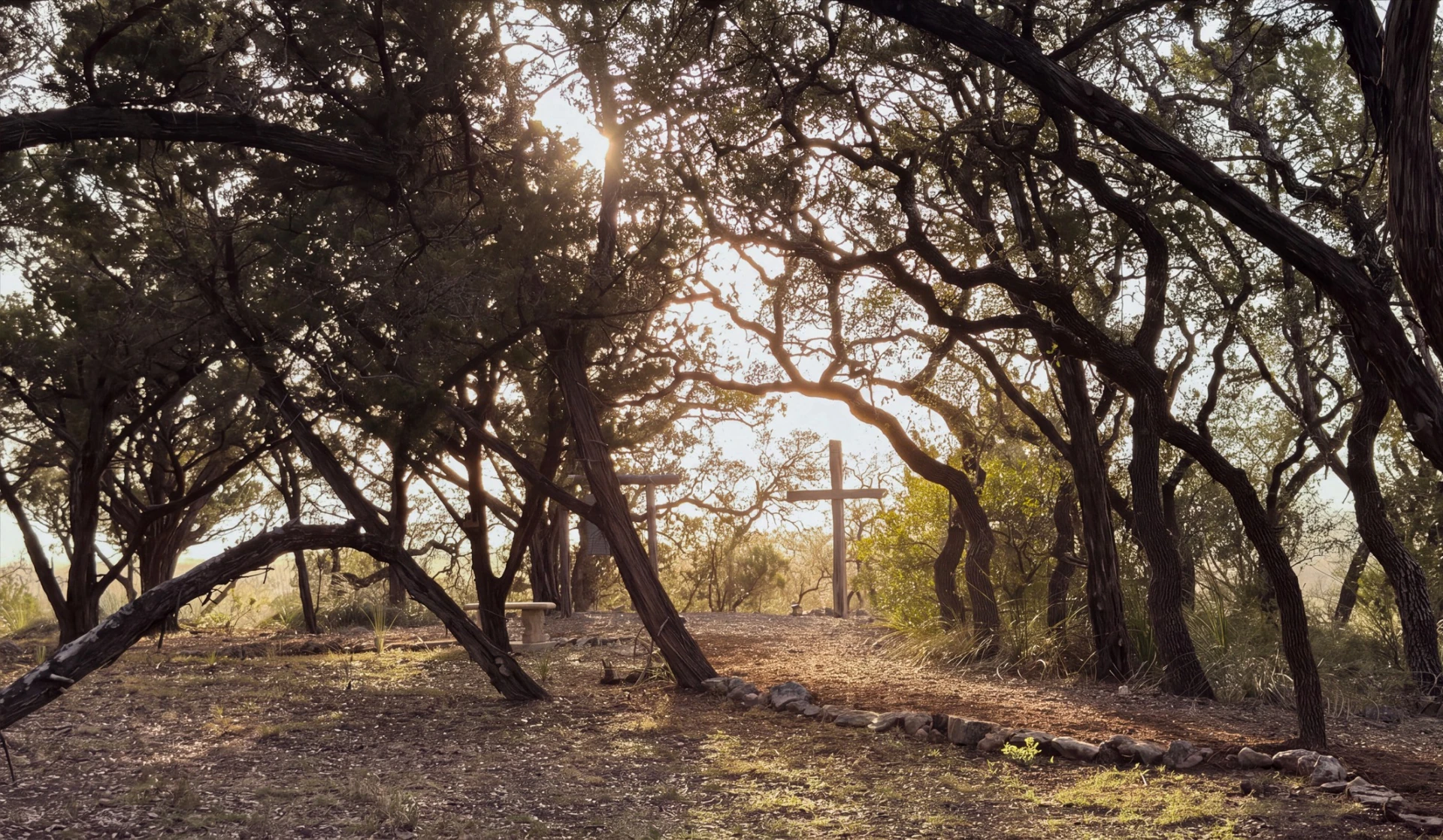
Way of the Cross
Follow the fourteen stations in order. At each one, pause to pray and reflect on Christ’s Passion.
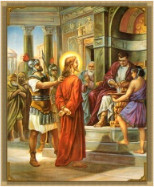
Jesus is condemned to death
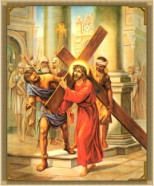
Jesus is made to carry His Cross
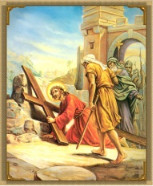
Jesus falls the First Time
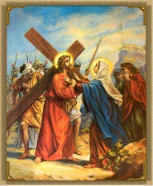
Jesus meets His Mother
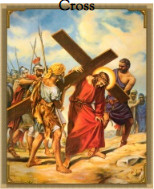
Simon of Cyrene helps Jesus carry the Cross

Veronica wipes the face of Jesus
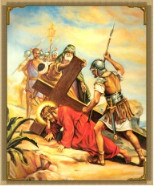
Jesus falls the Second Time
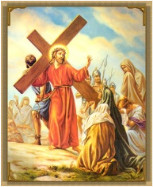
Jesus meets the Women of Jerusalem
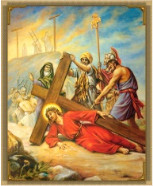
Jesus falls the Third Time
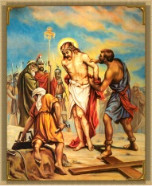
Jesus is stripped of His clothes
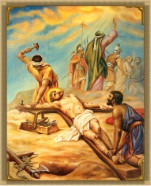
Jesus is nailed to the Cross
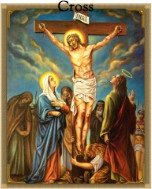
Jesus dies on the Cross
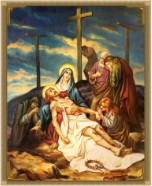
Jesus is taken down from the Cross
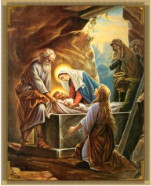
Jesus is placed in the Tomb
Prayers for this station
The First StationPilate condemns Jesus to die
V.We adore You, O Christ, and we praise You. (Genuflect)
R.Because, by Your holy cross, You have redeemed the world.
Priest:Consider how Jesus Christ, after being scourged and crowned with thorns, was unjustly condemned by Pilate to die on the cross.
All say:My adorable Jesus, it was not Pilate; no, it was my sins that condemned You to die. I beseech You, by the merits of this sorrowful journey, to assist my soul on its journey to eternity. I love You, beloved Jesus; I love You more than I love myself. With all my heart I repent of ever having offended You. Grant that I may love You always; and then do with me as You will.
Our Father…
Cuius ánimam geméntem,
contristátam et doléntem
pertransívit gladius
Through her heart, His sorrow sharing
All His bitter anguish bearing
Now at length the sword has passed
The Second StationJesus accepts His cross
V.We adore You, O Christ, and we praise You. (Genuflect)
R.Because, by Your holy cross, You have redeemed the world.
Priest:Consider Jesus as He walked this road with the cross on His shoulders, thinking of us, and offering to His Father in our behalf, the death He was about to suffer.
All say:My most beloved Jesus, I embrace all the sufferings You have destined for me until death. I beg You, by all You suffered in carrying Your cross, to help me carry mine with Your perfect peace and resignation. I love You, Jesus, my love; I repent of ever having offended You. Never let me separate myself from You again. Grant that I may love You always; and then do with me as You will.
Hail Mary…
O quam tristis et afflícta
fuit illa benedícta,
mater Unigéniti!
O, how sad and sore depressed
Was that Mother highly blessed
Of the sole Begotten One
The Third StationJesus falls the first time
V.We adore You, O Christ, and we praise You. (Genuflect)
R.Because, by Your holy cross, You have redeemed the world.
Priest:Consider the first fall of Jesus. Loss of blood from the scourging and crowning with thorns had so weakened Him that He could hardly walk; and yet He had to carry that great load upon His shoulders. As the soldiers struck Him cruelly, He fell several times under the heavy cross.
All say:My beloved Jesus, it was not the weight of the cross but the weight of my sins which made You suffer so much. By the merits of this first fall, save me from falling into mortal sin. I love You, O my Jesus, with all my heart; I am sorry that I have offended You. May I never offend You again. Grant that I may love You always; and then do with me as You will.
Glory be…
Quae mœrébat et dolébat,
pia Mater, dum vidébat
nati pœnas ínclyti.
Christ above in torment hangs
She beneath beholds the pangs
Of her dying, glorious Son.
The Fourth StationJesus meets His afflicted Mother
V.We adore You, O Christ, and we praise You. (Genuflect)
R.Because, by Your holy cross, You have redeemed the world.
Priest:Consider how the Son met his Mother on His way to Calvary. Jesus and Mary gazed at each other and their looks became as so many arrows to wound those hearts which loved each other so tenderly.
All say:My most loving Jesus, by the pain You suffered in this meeting grant me the grace of being truly devoted to Your most holy Mother. And You, my Queen, who was overwhelmed with sorrow, obtain for me by Your prayers a tender and a lasting remembrance of the passion of Your divine Son. I love You, Jesus, my Love, above all things. I repent of ever having offended You. Never allow me to offend You again. Grant that I may love You always; and then do with me as You will.
Our Father…
Quis est homo qui non fleret,
matrem Christi si vidéret
in tanto supplício?
Is there one who would not weep,
'whelmed in miseries so deep
Christ's dear Mother to behold.
The Fifth StationSimon helps Jesus carry the cross
V.We adore You, O Christ, and we praise You. (Genuflect)
R.Because, by Your holy cross, You have redeemed the world.
Priest:Consider how weak and weary Jesus was. At each step He was at the point of expiring. Fearing that He would die on the way when they wished Him to die the infamous death of the cross, they forced Simon of Cyrene to help carry the cross after Our Lord.
All say:My beloved Jesus I will not refuse the cross as Simon did: I accept it and embrace it. I accept in particular the death that is destined for me with all the pains that may accompany it. I unite it to Your death and I offer it to You. You have died for love of me; I will die for love of You and to please You. Help me by Your grace. I love You, Jesus, my Love; I repent of ever having offended You. Never let me offend You again. Grant that I may love You always; and then do with me as You will.
Hail Mary…
Quis non posset contristári
Christi Matrem contemplári
doléntem cum Fílio?
Can the human heart refrain
From partaking in her pain
In that Mother's pain untold?
The Sixth StationVeronica offers her veil to Jesus
V.We adore You, O Christ, and we praise You. (Genuflect)
R.Because, by Your holy cross, You have redeemed the world.
Priest:Consider the compassion of the holy woman, Veronica. Seeing Jesus in such distress, His face bathed in sweat and blood, she presented Him with her veil. Jesus wiped His face, and left upon the cloth the image of his sacred countenance.
All say:My beloved Jesus, Your face was beautiful before You began this journey; but, now, it no longer appears beautiful and is disfigured with wounds and blood. Alas, my soul also was once beautiful when it received Your grace in Baptism; but I have since disfigured it with my sins. You alone, my Redeemer, can restore it to its former beauty. Do this by the merits of Your passion; and then do with me as You will.
Glory be…
Pro peccátis suæ gentis
vidit Iésum in torméntis,
et flagéllis súbditum.
For the sins of His own nation,
She saw Jesus wracked with torment,
All with scourges rent.
The Seventh StationJesus falls the second time
V.We adore You, O Christ, and we praise You. (Genuflect)
R.Because, by Your holy cross, You have redeemed the world.
Priest:Consider how the second fall of Jesus under His cross renews the pain in all the wounds of the head and members of our afflicted Lord.
All say:My most gentle Jesus, how many times You have forgiven me; and how many times I have fallen again and begun again to offend You! By the merits of this second fall, give me the grace to persevere in Your love until death. Grant, that in all my temptations, I may always have recourse to You. I love You, Jesus, my Love with all my heart; I am sorry that I have offended You. Never let me offend You again. Grant that I may love You always; and then do with me as You will.
Our Father…
Vidit suum dulcem Natum
moriéndo desolátum,
dum emísit spíritum.
She beheld her tender Child,
Saw Him hang in desolation,
Till His spirit forth He sent.
The Eighth StationJesus speaks to the women
V.We adore You, O Christ, and we praise You. (Genuflect)
R.Because, by Your holy cross, You have redeemed the world.
Priest:Consider how the women wept with compassion seeing Jesus so distressed and dripping with blood as he walked along. Jesus said to them, “Weep not so much for me, but rather for Your children.”
All say:My Jesus, laden with sorrows, I weep for the sins which I have committed against You because of the punishment I deserve for them; and, still more, because of the displeasure they have caused You who have loved me with an infinite love. It is Your love, more than the fear of hell, which makes me weep for my sins. My Jesus, I love You more than myself; I am sorry that I have offended You. Never allow me to offend You again. Grant that I may love You always; and then do with me as You will.
Hail Mary…
Eia, Mater, fons amóris
me sentíre vim dolóris
fac, ut tecum lúgeam.
O thou Mother! fount of love!
Touch my spirit from above,
make my heart with thine accord.
The Ninth StationJesus falls the third time
V.We adore You, O Christ, and we praise You. (Genuflect)
R.Because, by Your holy cross, You have redeemed the world.
Priest:Consider how Jesus Christ fell for the third time. He was extremely weak and the cruelty of His executioners was excessive; they tried to hasten His steps though He hardly had strength to move.
All say:My outraged Jesus, by the weakness You suffered in going to Calvary, give me enough strength to overcome all human respect and all my evil passions which have led me to despise Your friendship. I love You, Jesus my Love, with all my heart; I am sorry for ever having offended You. Never permit me to offend You again. Grant that I may love You always; and then do with me as You will.
Glory be…
Fac, ut árdeat cor meum
in amándo Christum Deum
ut sibi compláceam.
Make me feel as thou hast felt;
make my soul to glow and melt
with the love of Christ my Lord.
The Tenth StationJesus is stripped of His garments
V.We adore You, O Christ, and we praise You. (Genuflect)
R.Because, by Your holy cross, You have redeemed the world.
Priest:Consider how Jesus was violently stripped of His clothes by His executioners. The inner garments adhered to his lacerated flesh and the soldiers tore them off so roughly that the skin came with them. Have pity for your Savior so cruelly treated and tell Him:
All say:My innocent Jesus, by the torment You suffered in being stripped of Your garments, help me to strip myself of all attachment for the things of earth that I may place all my love in You who are so worthy of my love. I love You, O Jesus, with all my heart; I am sorry for ever having offended You. Never let me offend You again. Grant that I may love You always; and then do with me as You will.
Our Father…
Sancta Mater, istud agas,
crucifíxi fige plagas
cordi meo válide.
Holy Mother! pierce me through,
in my heart each wound renew
of my Savior crucified.
The Eleventh StationJesus is nailed to the cross
V.We adore You, O Christ, and we praise You. (Genuflect)
R.Because, by Your holy cross, You have redeemed the world.
Priest:Consider Jesus, thrown down upon the cross, He stretched out His arms and offered to His eternal Father the sacrifice of His life for our salvation. They nailed His hands and feet, and then, raising the cross, left Him to die in anguish.
All say:My despised Jesus, nail my heart to the cross that it may always remain there to love You and never leave You again. I love You more than myself; I am sorry for ever having offended You. Never permit me to offend You again. Grant that I may love You always; and then do with me as You will.
Hail Mary…
Tui Nati vulneráti,
tam dignáti pro me pati,
pœnas mecum dívide.
Let me share with you His pain,
Who for all our sins was slain,
Who for me in torments died.
The Twelfth StationJesus dies upon the cross
V.We adore You, O Christ, and we praise You. (Genuflect)
R.Because, by Your holy cross, You have redeemed the world.
Priest:Consider how your Jesus, after three hours of agony on the cross, is finally overwhelmed with suffering and, abandoning Himself to the weight of His body, bows His head and dies.
All say:My dying Jesus, I devoutly kiss the cross on which You would die for love of me. I deserve, because of my sins, to die a terrible death; but Your death is my hope. By the merits of Your death, give me the grace to die embracing Your feet and burning with love of You. I yield my soul into Your hands. I love You with my whole heart. I am sorry that I have offended You. Never let me offend You again. Grant that I may love You always; and then do with me as You will.
All kneel for a moment and pray three times the Our Father.
Fac me tecum pie flere,
crucifíxo condolére,
donec ego víxero.
Let me mingle tears with thee
Mourning Him who mourned for me,
All the days that I may live.
The Thirteenth StationJesus is taken down from the cross
V.We adore You, O Christ, and we praise You. (Genuflect)
R.Because, by Your holy cross, You have redeemed the world.
Priest:Consider how, after Our Lord had died, He was taken down from the cross by two of His disciples, Joseph and Nicodemus, and placed in the arms of His afflicted Mother. She received Him with unutterable tenderness and pressed Him close to her bosom.
All say:O Mother of Sorrows, for the love of Your Son, accept me as Your servant and pray to Him for me, And You, my Redeemer, since you have died for me, allow me to love You, for I desire only You and nothing more. I love You, Jesus my Love, and I am sorry that I have offended You. Never let me offend You again. Grant that I may love You always; and then do with me as You will.
Glory be…
Juxta Crucem tecum stare,
et me tibi sociáre
in planctu desídero.
By the cross with you to stay
There with you to weep and pray
Is all I ask of you to give.
The Fourteenth StationJesus is placed in the sepulcher
V.We adore You, O Christ, and we praise You. (Genuflect)
R.Because, by Your holy cross, You have redeemed the world.
Priest:Consider how the disciples carried the body of Jesus to its burial, while His holy Mother went with them and arranged it in the sepulcher with her own hands. They then closed the tomb and all departed.
All say:Oh, my buried Jesus, I kiss the stone that closes You in. But You gloriously did rise again on the third day. I beg You by Your resurrection that I may be raised gloriously on the last day, to be united with You in heaven, to praise You and love You forever. I love You, Jesus, and I repent of ever having offended You. Grant that I may love You always; and then do with me as You will.
Our Father…
Virgo vírginum præclára,
mihi iam non sis amára,
fac me tecum plángere.
Virgin of all virgins blest!
Listen to my fond request:
Let me share your grief divine.
Primera estaciónJesús sentenciado a muerte
LíderTe adoramos, Cristo, y te bendecimos. (Genuflexión)
TodosPorque con tu Santa Cruz redimiste al mundo. (De pie)
LíderConsidera cómo Jesús, después de haber sido azotado y coronado de espinos, fue injustamente sentenciado por Pilato a morir crucificado.
TodosAdorado Jesús mío: mis pecados fueron más que Pilato, los que te sentenciaron a muerte. Por los méritos de este doloroso paso, te suplico me asistas en el camino que va recorriendo mi alma para la eternidad.
Te amo, ¡oh Jesús, amor mío!, más que a mi mismo, y me arrepiento de todo corazón de haberte ofendido; no permitas que vuelva a separarme de Ti; has que te ame siempre y dispon de mí como te agrade. Amén.
(Padrenuestro)
¡Pobre Madre entristecida!
Traspasó tu alma abatida, una
espada de dolor.
Segunda estaciónJesús carga con la cruz
LíderTe adoramos, Cristo, y te bendecimos. (Genuflexión)
TodosPorque con tu Santa Cruz redimiste al mundo. (De pie)
LíderConsidera cómo Jesús, andando este camino con la cruz a cuestas, iba pensando en ti y ofreciendo a su Padre por tu salvación la muerte que iba a padecer.
TodosAmabilísimo Jesús mío: abrazo todas las tribulaciones que me tengas destinadas hasta la muerte, y te ruego, por los méritos de la pena que sufriste llevando tu Cruz, me des fuerza para llevar la mía con perfecta paciencia y resignación.
Te amo, ¡oh Jesús, amor mío!, más que a mi mismo, y me arrepiento de todo corazón de haberte ofendido; no permitas que vuelva a separarme de Ti; has que te ame siempre y dispon de mí como te agrade. Amén.
(Avemaría)
¡Cuán penoso, cuán doliente ven
en tosca Cruz pendiente
Al Amado de tu ser!
Tercera estaciónJesús cae la primera vez
LíderTe adoramos, Cristo, y te bendecimos. (Genuflexión)
TodosPorque con tu Santa Cruz redimiste al mundo. (De pie)
LíderConsidera esta primera caída de Jesús debajo de la Cruz Su cuerpo estaba despedazado por los azotes; su cabeza coronada de espinas, y había ya derramado mucha sangre, por lo cual estaba tan débil, que apenas podía caminar; llevaba al mismo tiempo aquel enorme peso sobre sus hombros y los soldados le empujaban; de modo que muchas veces desfalleció y cayó en este camino.
TodosAmado Jesús mío: más que el peso de la Cruz, son mis pecados los que te hacen sufrir tantas penas. Por los méritos de esta primera caída, librame de incurrir en pecado mortal.
Te amo, ¡oh Jesús, amor mío!, más que a mi mismo, y me arrepiento de todo corazón de haberte ofendido; no permitas que vuelva a separarme de Ti; has que te ame siempre y dispon de mí como te agrade. Amén.
(Gloria)
Viendo a Cristo en el tormento,
tú sentías el sufrimiento
De su amargo padecer.
Cuarta estaciónJesús encuentra a su afligida Madre
LíderTe adoramos, Cristo, y te bendecimos. (Genuflexión)
TodosPorque con tu Santa Cruz redimiste al mundo. (De pie)
LíderConsidera el encuentro del Hijo con su Madre en este camino. Se miraron mutuamente Jesús y María, y sus miradas fueron otras tantas flechas que traspasaron sus amantes corazones.
TodosAmantísimo Jesús mío: por la pena que experimentaste en este encuentro, concededme la gracia de ser verdadero devoto de tu Santísima Madre. Y a Ti, mi afligida Reina, que fuiste abrumada de dolor, Dame con tu intercesión una continua y amorosa memoria de la Pasión de tu Hijo.
Te amo, ¡oh Jesús, amor mío!, más que a mi mismo, y me arrepiento de todo corazón de haberte ofendido; no permitas que vuelva a separarme de Ti; has que te ame siempre y dispon de mí como te agrade. Amén.
(Padrenuestro)
¿Quién hay que no lloraría
contemplando la agonía
de María ante la Pasión?
Quinta estaciónSimón ayuda a Jesús a llevar la cruz
LíderTe adoramos, Cristo, y te bendecimos. (Genuflexión)
TodosPorque con tu Santa Cruz redimiste al mundo. (De pie)
LíderConsidera cómo los judíos, al ver que Jesús iba desfalleciendo cada vez más, temieron que se les muriera en el camino y, como deseaban verlo morir la infame Muerte de la Cruz, obligaron a Simón el Cirineo a que le ayudara a llevar aquel pesado madero.
TodosDulcísimo Jesús mío: no quiero rehusar la Cruz, como lo hizo el Cirineo, antes bien la acepto y la abrazo; acepto en particular la muerte que tengas destinada para mí, con todas las penas que la han de acompañar, la uno a la tuya, y te la ofrezco. Tu has querido morir por mi amor, yo quiero morir por el tuyo y por darte gusto; ayúdame con tu gracia.
Te amo, ¡oh Jesús, amor mío!, más que a mi mismo, y me arrepiento de todo corazón de haberte ofendido; no permitas que vuelva a separarme de Ti; has que te ame siempre y dispon de mí como te agrade. Amén.
(Avemaría)
¿Habrá un corazón humano
que no compartiese hermano
tan profunda transfixión?
Sexta estaciónLa Verónica limpia el rostro de Jesús
LíderTe adoramos, Cristo, y te bendecimos. (Genuflexión)
TodosPorque con tu Santa Cruz redimiste al mundo. (De pie)
LíderConsidera cómo la devota Verónica, al ver a Jesús tan fatigado y con el rostro bañado en sudor y sangre, le ofreció un lienzo, y limpiándose con él nuestro Señor, quedó impreso en éste su santa imagen.
TodosAmado Jesús mío: en otro tiempo tu rostro era hermosísimo; mas en este doloroso viaje, las heridas y la sangre han cambiado en fealdad su hermosura. ¡Oh Señor mío!, también mi alma quedó hermosa ante tus ojos cuando recibí la gracia del bautismo, mas yo la he desfigurado después con mis pecados. Tu solo, ¡oh Redentor mío!, puedes restituirle su belleza: haslo por los méritos de tu Pasión.
Te amo, ¡oh Jesús, amor mío!, más que a mi mismo, y me arrepiento de todo corazón de haberte ofendido; no permitas que vuelva a separarme de Ti; has que te ame siempre y dispon de mí como te agrade. Amén.
(Gloria)
Golpeado, escarnecido,
vio a su Cristo tan querido,
Sufrir tortura tan cruel.
Séptima estaciónJesús cae la segunda vez
LíderTe adoramos, Cristo, y te bendecimos. (Genuflexión)
TodosPorque con tu Santa Cruz redimiste al mundo. (De pie)
LíderConsidera la segunda caída de Jesús debajo de la Cruz. En la cual se le renueva el dolor de las heridas de su cabeza y de todo su cuerpo al afligido Señor.
TodosOh pacientísimo Jesús mio: tu tantas veces me has perdonado, y yo he vuelto a caer y a ofenderte. Ayúdame, por los méritos de esta nueva caída, a perseverar en tu gracia hasta la muerte. Has que en todas las tentaciones que me asaltan, siempre y prontamente me encomiende a Ti.
Te amo, ¡oh Jesús, amor mío!, más que a mi mismo, y me arrepiento de todo corazón de haberte ofendido; no permitas que vuelva a separarme de Ti; has que te ame siempre y dispon de mí como te agrade. Amén.
(Padrenuestro)
Por el peso del pecado
de su pueblo desalmado
rindió su espíritu El.
Octava estaciónLas mujeres de Jerusalén lloran por Jesús
LíderTe adoramos, Cristo, y te bendecimos. (Genuflexión)
TodosPorque con tu Santa Cruz redimiste al mundo. (De pie)
LíderConsidera cómo algunas piadosas mujeres, viendo a Jesús en tan lastimoso estado, que iba derramando sangre por el camino, lloraban de compasión; mas Jesús les dijo: no lloren por mí, sino por ustedes mismas y por sus hijos.
TodosAfligido Jesús mío: lloro las ofensas que te he hecho, por los castigos que me he merecido, pero mucho más por el disgusto que te he dado a ti, que tan ardientemente me has amado. No es tanto el Infierno, como tu amor, el que me hace llorar mis pecados.
Te amo, ¡oh Jesús, amor mío!, más que a mi mismo, y me arrepiento de todo corazón de haberte ofendido; no permitas que vuelva a separarme de Ti; has que te ame siempre y dispon de mí como te agrade. Amén.
(Avemaría)
Dulce Madre, amante fuente,
haz mi espíritu ferviente
y haz mi corazón igual.
Novena estaciónJesús cae por tercera vez
LíderTe adoramos, Cristo, y te bendecimos. (Genuflexión)
TodosPorque con tu Santa Cruz redimiste al mundo. (De pie)
LíderConsidera la tercera caída de Jesucristo. Extremada era su debilidad y excesiva la crueldad de los verdugos, que querían hacerle apresurar el paso, cuando apenas le quedaba aliento para moverse.
TodosAtormentado Jesús mío: por los méritos de la debilidad que quisiste padecer en tu camino al Calvario, dame la fortaleza necesaria para vencer los respetos humanos y todos mis desordenados y perversos apetitos, que me han hecho despreciar tu amistad.
Te amo, ¡oh Jesús, amor mío!, más que a mi mismo, y me arrepiento de todo corazón de haberte ofendido; no permitas que vuelva a separarme de Ti; has que te ame siempre y dispon de mí como te agrade. Amén.
(Gloria)
Al tuyo tan fervoroso,
que al buen Jesús piadoso,
rinda su amor fraternal.
Décima estaciónJesús es despojado de sus vestiduras
LíderTe adoramos, Cristo, y te bendecimos. (Genuflexión)
TodosPorque con tu Santa Cruz redimiste al mundo. (De pie)
LíderConsidera cómo al ser despojado Jesús de sus vestiduras por los verdugos, estando la túnica interior pegada a las carnes desolladas por los azotes, le arrancaran también con ella, la piel de su sagrado cuerpo. Compadece a tu Señor y dile.
TodosInocente Jesús mío: por los méritos del dolor que entonces sufriste, ayúdame a desnudarme de todos los afectos a las cosas terrenas, para, que pueda yo poner todo mi amor en Ti, que tan digno eres de ser amado.
Te amo, ¡oh Jesús, amor mío!, más que a mi mismo, y me arrepiento de todo corazón de haberte ofendido; no permitas que vuelva a separarme de Ti; has que te ame siempre y dispon de mí como te agrade. Amén.
(Padrenuestro)
Oh Madre Santa, en mi vida
haz renacer cada herida
de mi amado Salvador.
Undécima estaciónJesús es clavado en la cruz
LíderTe adoramos, Cristo, y te bendecimos. (Genuflexión)
TodosPorque con tu Santa Cruz redimiste al mundo. (De pie)
LíderConsidera cómo Jesús, tendido sobre la Cruz, alarga sus pies y manos y ofrece al Eterno Padre el sacrificio de su vida por nuestra salvación; le enclavan aquellos bárbaros verdugos y después levantan la Cruz en alto, dejándole morir de dolor, sobre aquel patíbulo infame.
TodosDespreciado Jesús mío: clava mi corazón a tus pies para que quede siempre ahí amándote y no te deje más.
Te amo, ¡oh Jesús, amor mío!, más que a mi mismo, y me arrepiento de todo corazón de haberte ofendido; no permitas que vuelva a separarme de Ti; has que te ame siempre y dispon de mí como te agrade. Amén.
(Avemaría)
Contigo sentir su pena,
sufrir su mortal condena
y su morir redentor.
Duodécima estaciónJesús muere en la cruz
LíderTe adoramos, Cristo, y te bendecimos. (Genuflexión)
TodosPorque con tu Santa Cruz redimiste al mundo. (De pie)
LíderConsidera cómo Jesús, después de tres horas de agonía, consumido de dolores y exhausto de fuerzas su cuerpo, inclina la cabeza y expíra en la Cruz.
TodosDifunto Jesús mío: beso enternecido esa Cruz en que por mí has muerto. Yo, por mis pecados, tenía merecida una mala muerte, mas la tuya es mi esperanza. Ea, pues, Señor, por los méritos de tu santísima muerte, concédeme la gracia de morir abrazado a tus pies y consumido por tu amor. En tus manos encomiendo mi alma.
Te amo, ¡oh Jesús, amor mío!, más que a mi mismo, y me arrepiento de todo corazón de haberte ofendido; no permitas que vuelva a separarme de Ti; has que te ame siempre y dispon de mí como te agrade. Amén.
(De rodillas, Padrenuestro tres vez)
A tu llanto unir el mío,
llorar por mi Rey tan pío
cada día de mi existir.
Decimotercera estaciónJesús es bajado de la cruz
LíderTe adoramos, Cristo, y te bendecimos. (Genuflexión)
TodosPorque con tu Santa Cruz redimiste al mundo. (De pie)
LíderConsidera cómo, habiendo expirado ya el Señor, le bajaron de la Cruz dos de sus discípulos, José y Nicodemo, y lo depositaron en los brazos de su afligida Madre, María, que lo recibió con ternura y lo estrechó contra su pecho traspasado de dolor.
TodosAfligida Madre mia: por el amor de este Hijo, admíteme como tu siervo y ruega por mí. Y Tu, Redentor mío, ya que has querido morir por mí, recíbeme en el número de los que te aman más profúndamente, pues yo no quiero amar nada que no seas Tu.
Te amo, ¡oh Jesús, amor mío!, más que a mi mismo, y me arrepiento de todo corazón de haberte ofendido; no permitas que vuelva a separarme de Ti; has que te ame siempre y dispon de mí como te agrade. Amén.
(Gloria)
Contigo honrar su Calvario,
hacer mi alma su santuario,
Madre, te quiero pedir.
Decimocuarta estaciónJesús colocado en el sepulcro
LíderTe adoramos, Cristo, y te bendecimos. (Genuflexión)
TodosPorque con tu Santa Cruz redimiste al mundo. (De pie)
LíderConsidera cómo los discípulos llevaron a enterrar o Jesús, acompañando también su Santísima Madre, que lo depositó en el sepulcro con sus propias manos. Después cerraron la puerta del sepulcro y se retiraron.
TodosSepultado Jesús mío: beso esa losa que te encierra. Tu resucitaste después de tres días; por tu resurrección te pido y te suplico me hagas resucitar glorioso en el día del juicio final para estar eternamente contigo en la Gloria, amándote y bendiciéndote.
Te amo, ¡oh Jesús, amor mío!, más que a mi mismo, y me arrepiento de todo corazón de haberte ofendido; no permitas que vuelva a separarme de Ti; has que te ame siempre y dispon de mí como te agrade. Amén.
(Padrenuestro)
Virgen Bienaventurada,
de todas predestinada,
Partícipe en tu pesar.
From The Way of the Cross by St. Alphonsus Liguori (en español), Holy Rosary Cathedral, used with permission.
A Labor of Love
In April 1984, parishioners gathered with Deacon James F. Legendre and his wife to plan an outdoor Way of the Cross. They wanted a place to pray while preserving the natural setting for native birds and wildlife.
Archbishop Patrick Flores dedicated the Hill of the Cross on June 1, 1985.
Read the parish history
On April 17, 1984, at the request of their pastor, Reverend Bernard C. Mullaney, a small group of parishioners of St. Joseph’s Catholic Church Honey Creek in Bulverde, Texas, gathered together with Deacon James F. Legendre and his wife, Arlene, to discuss and plan an outdoor Way of the Cross.
The criteria established from the outset was that the area chosen would remain in as natural a state as possible. Thought was given to the continued sanctuary of the native animals and birds while still assuring that the outdoor Way of the Cross would be an easily accessible place for anyone who wish to enter to meditate, pray, and reflect on the suffering and love of Jesus Christ as He experienced His passion, death and resurrection.
And so began this “Labor of Love”, the Hill of the Cross
The Hill of the Cross was dedicated by Archbishop Patrick Flores on June 1, 1985.
Original Committee: Deacon Legendre, Arleen Legendre, Joyce Gass, Rosalie Bushick, Arthur Schmidt, and Joe Kaizet.
History and purpose of the devotion
The Stations of the Cross or the Way of the Cross, also known as the Way of Sorrows or the Via Crucis, refers to a series of 14 images depicting Jesus Christ on the day of his crucifixion from his condemnation by Pontius Pilate to his entombment. The stations grew out of imitations of Via Dolorosa in Jerusalem which is believed to be the actual path Jesus walked to Mount Calvary. The devotional exercise of visiting and praying in front of each of the 14 stations and meditating on the Passion of Christ stems from the practice of early Christian pilgrims who visited the scenes of the events in Jerusalem and walked the traditional route from the supposed location of Pilate’s house to Calvary. Tradition holds that Mary, the mother of Jesus, set up stone markers at her home outside Jerusalem to prayerfully retrace the steps of her son’s Passion, but the origin of the devotion in its present form is not clear.
The number of stations originally observed in Jerusalem was considerably smaller than 14. Ways of the Cross as we know them today, came about when it was no longer easy or even possible to visit the holy sites and in the 1500’s, villages all over Europe started creating replicas of the Ways of the Cross. In the 18th century, the Franciscans popularized the practice and these shrines became the set of 14 stations as we now know them.
The object of the stations is to help the Christian faithful to make a spiritual pilgrimage through contemplation of the Passion of Christ. It has become one of the most popular devotions and the stations can be found in many Western Christian churches, including Anglican, Lutheran, Methodist, and Roman Catholic.
Commonly, a series of 14 images will be arranged in numbered order along a path and are usually mounted on the inside walls of a church or chapel but may also be erected in such places as cemeteries, corridors of hospitals and religious houses, or on mountainsides.
The faithful travel from image to image, in order, stopping at each station to say the selected prayers and reflections. This prayerful meditation can be done individually or in a group and is common during Lent, especially on Good Friday, in a spirit of reparation for the sufferings and insults that Jesus endured during his passion.
The most important reason for reviving the practice of making the Stations of the Cross is that it is a powerful way to contemplate, and enter into, the mystery of Jesus’ gift of himself to us. Its purpose is not a historical examination of “what really happened” on that day in history. It’s about something far more profound. It takes the reflection on the Passion out of our head, and makes it an imaginative exercise. It involves our senses, our experience and our emotions. To the extent that we come to experience the Love of Jesus for us.
The Stations of the Cross is Prayer. We could read through the text of each of the stations, and look at the pictures, but that wouldn’t necessarily be prayer. This is an invitation and an opportunity to use this long standing Christian prayer and enter into a gifted faith experience of who Jesus is for us. It becomes prayer when we open our hearts to be touched, and it leads us to express our response in prayer.
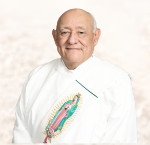
In Memory of Deacon Freddy Mireles
The Hill of the Cross was rededicated in his memory.
Donations may be made through the Parish Office.
Hill of the Cross Committee
Rod Garcia, tommy Rubio, Mike Fadden, Ron Janak Geoffrey Young, Dee McNeil, Larry Koteras, Michael Hands, Joe Schreiber
